![[{[item.product.name]}]]([{[item.product.photo.url]}] 75w)
Free delivery in Poland is missing -,--
Order Summary
Sum 0,00 €
Price includes discounts

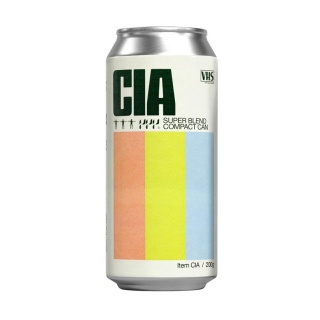
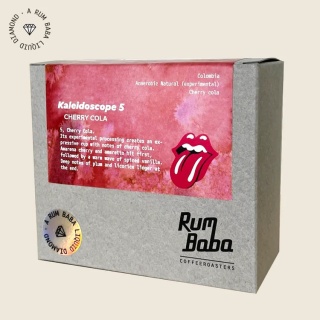
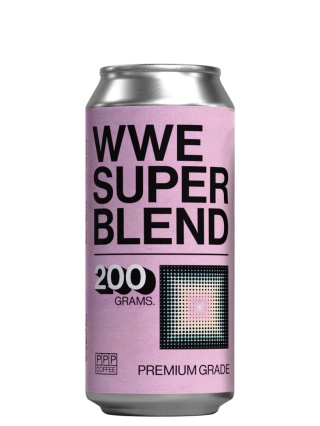
Co-fermented and Infused Coffee – Innovative Specialty Processing
Number of products: 38
| Shipping within: | 24 hours |
| The Weight Of The: | 0.2 kg. |


| Shipping within: | 24 hours |
| The Weight Of The: | 0.2 kg. |

| Shipping within: | 24 hours |
| The Weight Of The: | 0.2 kg. |
| Shipping within: | 24 hours |
| The Weight Of The: | 0.2 kg. |
| Shipping within: | 24 hours |
| The Weight Of The: | 0.2 kg. |

| Shipping within: | 24 hours |
| The Weight Of The: | 0.15 kg. |

| Shipping within: | 24 hours |
| The Weight Of The: | 0.25 kg. |


| Shipping within: | 24 hours |
| The Weight Of The: | 0.25 kg. |


| Shipping within: | 24 hours |
| The Weight Of The: | 0.25 kg. |
| Shipping within: | 24 hours |
| The Weight Of The: | 0.2 kg. |
| Shipping within: | 24 hours |
| The Weight Of The: | 0.25 kg. |
| Shipping within: | 24 hours |
| The Weight Of The: | 0.25 kg. |
| Shipping within: | 24 hours |
| The Weight Of The: | 0.15 kg. |
| Shipping within: | 24 hours |
| The Weight Of The: | 0.15 kg. |

| Shipping within: | 24 hours |
| The Weight Of The: | 0.15 kg. |

| Temporarily out of stock. Sign up for in-product notifications. |
| Temporarily out of stock. Sign up for in-product notifications. |
| Temporarily out of stock. Sign up for in-product notifications. |

| Temporarily out of stock. Sign up for in-product notifications. |
| Temporarily out of stock. Sign up for in-product notifications. |
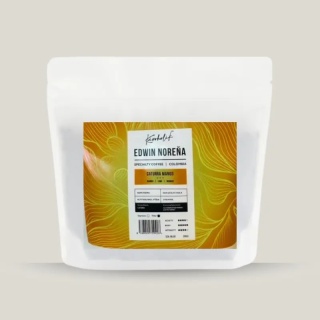
| Temporarily out of stock. Sign up for in-product notifications. |
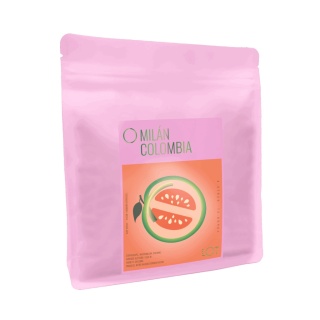
| Temporarily out of stock. Sign up for in-product notifications. |
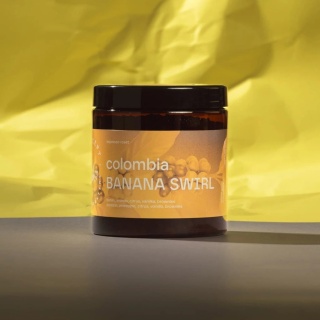
| Temporarily out of stock. Sign up for in-product notifications. |
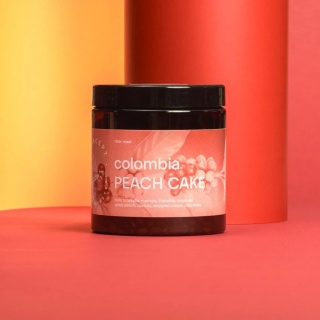
| Temporarily out of stock. Sign up for in-product notifications. |
| Temporarily out of stock. Sign up for in-product notifications. |
| Temporarily out of stock. Sign up for in-product notifications. |

| Temporarily out of stock. Sign up for in-product notifications. |
| Temporarily out of stock. Sign up for in-product notifications. |
| Temporarily out of stock. Sign up for in-product notifications. |
| Temporarily out of stock. Sign up for in-product notifications. |
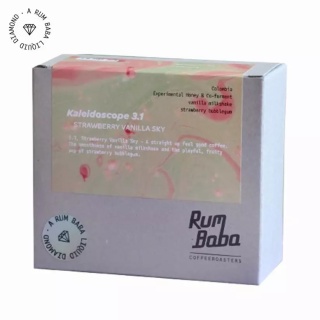


| Temporarily out of stock. Sign up for in-product notifications. |
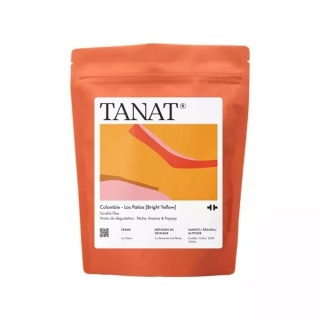
| Temporarily out of stock. Sign up for in-product notifications. |
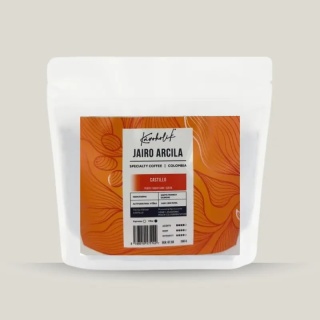
| Temporarily out of stock. Sign up for in-product notifications. |
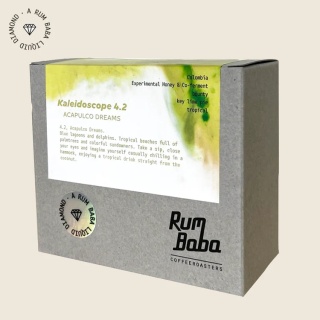
| Temporarily out of stock. Sign up for in-product notifications. |
| Temporarily out of stock. Sign up for in-product notifications. |
| Temporarily out of stock. Sign up for in-product notifications. |
Co-fermentation and Infused Coffee – Redefining Specialty Coffee Flavor
The co-fermentation and infused coffee categories represent the fastest-growing frontier in the specialty coffee world. Experimental processing methods are completely revolutionizing traditional sensory profiling. These techniques involve the controlled, multi-stage enhancement of green coffee beans with natural flavors from fruits (such as passion fruit, lychee, and strawberry), spices (cinnamon, star anise), or specific yeast strains during active fermentation. As a result, we achieve cup profiles with unprecedented clarity, exceptional intensity, and a unique acidity structure.
Masters of Innovation: Producers Changing the Game
At Labuna.pl, our selection focuses on coffees from leading producers who utilize advanced bio-process engineering to redefine coffee processing methods globally:
| Oscar Hernandez (Finca Los Nogales) | A pioneer in precise, micro-organism controlled fermentations. Renowned for mastering varieties like Pink Bourbon and Geisha, unlocking their maximum genetic potential and cup cleanliness. |
| Diego Samuel Bermudez (Finca El Paraiso) | A visionary and creator of the advanced Thermal Shock technology. His signature approach to yeast inoculation and strict biochemical parameter control guarantees consistent, intense fruity and yogurt-like profiles. |
| Nestor Lasso (Finca El Diviso) | A master of blending in co-fermentation processes. By combining specific yeast strains with fresh fruit pulp, he creates iconic, complex coffees highly acclaimed by baristas in international championships. |
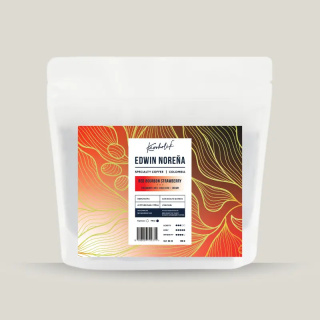
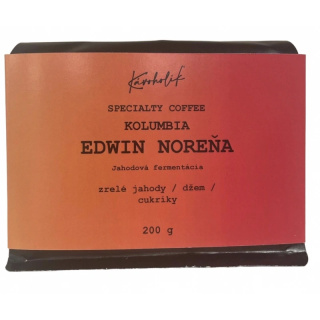
| Edwin Norena (Finca Campo Hermoso) | An agronomist and innovator who perfected carbonic maceration techniques. He utilizes coffee cherry juice (coffee honey) and exotic fruit pulp to amplify the natural tasting notes of rare botanical varieties like Wush Wush and Sidra. |
| Wilton Benitez (Granja Paraiso 92) | An experimenter applying laboratory-grade methods to coffee processing. Utilizing bioreactors, he precisely controls pH levels, temperature, and pressure during anaerobic fermentation, eliminating any risk of flavor defects. |
| Felipe Vergara (Finca Las Flores) | Known for his innovative approach to extended anaerobic fermentations with the addition of spices and citrus fruits, yielding an entirely unique sensory profile. |
Advanced Processing Techniques in Experimental Coffee
Coffees in this category feature an incredibly rich body, a long-lasting finish, and complex flavor compositions. On Labuna.pl product pages, you will always find detailed technical specifications regarding the processing method used:
- Thermal Shock: A process involving rapid water temperature changes (rinsing with hot, then ice-cold water) to seal the parchment pores. This locks in the volatile aromatic compounds and esters formed inside the bean during fermentation.
- Anaerobic Fermentation: Processing coffee in hermetically sealed, oxygen-deprived tanks. This environment encourages the development of specific lactic acid bacteria, resulting in a creamy texture and ripe fruit notes.
- Carbonic Maceration: A technique adapted from winemaking, where carbon dioxide is injected into tanks filled with whole coffee cherries. This leads to a slow breakdown of sugars from the inside out, offering an exceptionally clean and complex sensory profile.
- Co-fermentation: The deliberate addition of organic ingredients (e.g., dehydrated fruits, spices, or yeast cultures) into fermentation tanks during the washed, natural, or honey processing stages.
Where to Buy Co-fermentation and Infused Coffee?
If you are looking for beans that redefine the concepts of balance and intensity in a cup, explore our curated selection. We offer freshly roasted specialty coffees, competition-grade lots, and exclusive micro-lots.
| Online Store | The freshest roasts from top global producers are available regularly at Labuna.pl. |
| Warsaw Showroom | Visit us in person at ul. Płocka 22A in Warsaw. Our baristas will guide you through our infused selection and help you fine-tune your home brewing parameters. |
FAQ – Demystifying Experimental Coffee
Are infused and co-fermented coffees still considered specialty coffee?
Yes. The foundation of any successful co-fermentation or infusion process is high-quality, defect-free green coffee – typically scoring 80+ or 85+ points on the SCA (Specialty Coffee Association) scale. Advanced fermentation techniques are never used to hide flaws in poor-quality beans; instead, they aim to highlight and expand the inherent qualities of the variety and its micro-terroir.
What is the difference between co-fermentation and traditional infusion?
The main difference lies in the timing and method of introducing flavors. In co-fermentation, natural ingredients (fruits, yeast, honey) are added directly to the tanks during the active cellular fermentation of the green coffee. Microorganisms process the sugars, integrating aroma precursors within the cell structure of the bean. Traditional infusion (flavored coffee), on the other hand, usually involves spraying roasted beans superficially with synthetic oils after the roasting process is complete.
Which coffee varieties work best for co-fermentation?
Producers prefer botanical varieties with naturally high sugar content in the mucilage, providing excellent fuel for yeasts and bacteria. The most popular choices include Colombian Pink Bourbon, Castillo, and Caturra, while prestigious micro-lots often feature Geisha, Sidra, or Wush Wush.
How should you brew co-fermented and infused coffees?
Due to their high concentration of soluble solids and intense sweetness, these coffees shine in alternative brewing methods. We highly recommend fast-flowing drippers such as Orea or Origami. To achieve an optimal balance and prevent over-extraction, we suggest using a slightly lower water temperature (between 88°C and 92°C) and a slightly coarser grind size.